The Problem with Robots Today
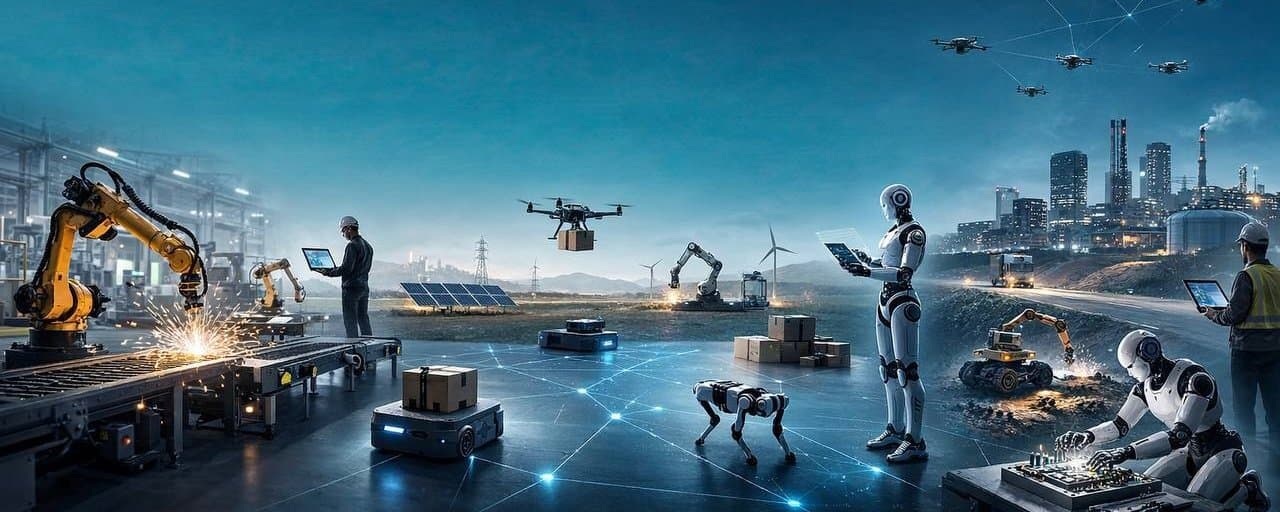
We're witnessing a paradigm shift in physical automation. Warehouse logistics, surgical assistance, and autonomous transit are moving from scripted routines to adaptive, model-driven behaviors.
But there's a critical architectural flaw: we're building autonomous agents on unverifiable compute.
When a robotic arm executes a movement or a vehicle alters its trajectory, that decision is the output of a neural network. A probabilistic black box. In the current stack, we have no way to prove that the inference that triggered the action was the one we authorized. We can't prove the model hasn't hallucinated a dangerous edge case.
The industry standard has been "trust through testing." Run simulations and hope for statistical safety. But as we move toward true Open Intelligence, hope isn't a strategy. We need a dedicated execution layer. We need verifiable AI.
Why Verifiability Matters for Physical AI
Consider what's actually at stake in mission-critical robotics:
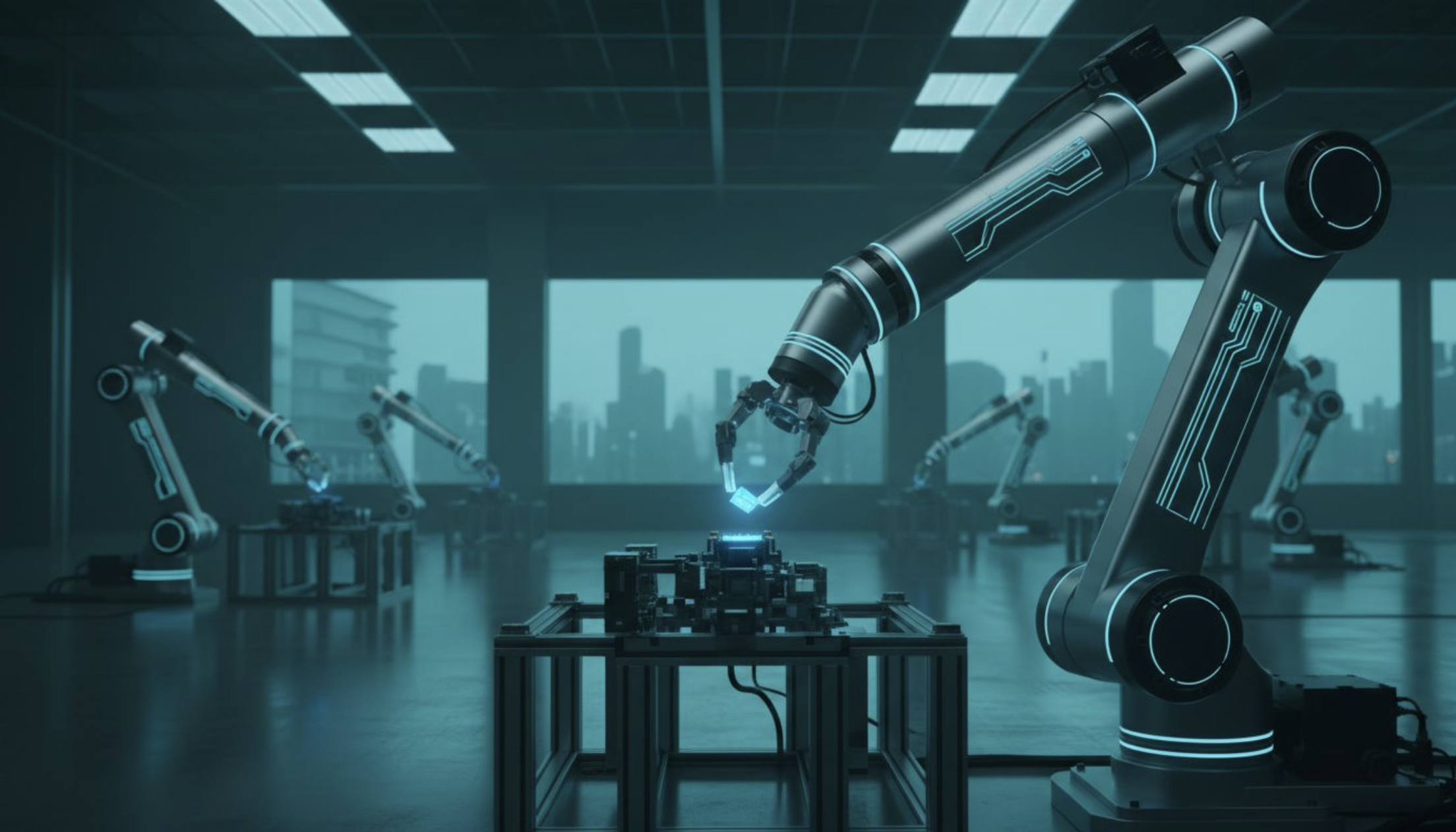
A surgical robot assisting in a procedure. The surgeon doesn't just need the robot to move correctly. They need cryptographic attestation that the model processing sensor data is the certified version, not a corrupted variant.
An industrial robot in a pharmaceutical manufacturing line. Regulators need more than logs. They need on-chain proof that quality inspection AI ran exactly as certified. Not a different version. Not with modified parameters. Not with injected training data.
The verification gap is structural:
- Model Integrity: How do we know the deployed model matches the audited version?
- Inference Authenticity: How do we prove a specific output came from a specific model?
- Data Provenance: How do we verify the inputs to the decision?
- Execution Environment: How do we ensure no tampering occurred during inference?
These aren't edge cases. They're fundamental questions that current AI infrastructure can't answer.
The Rise of Autonomous Agents in Production
The shift isn't coming. It's here. AI agents are taking over workstreams that previously required human judgment:
Manufacturing: Real-time quality control, predictive maintenance, production optimization. Neural networks processing sensor data, making judgment calls at industrial scale.
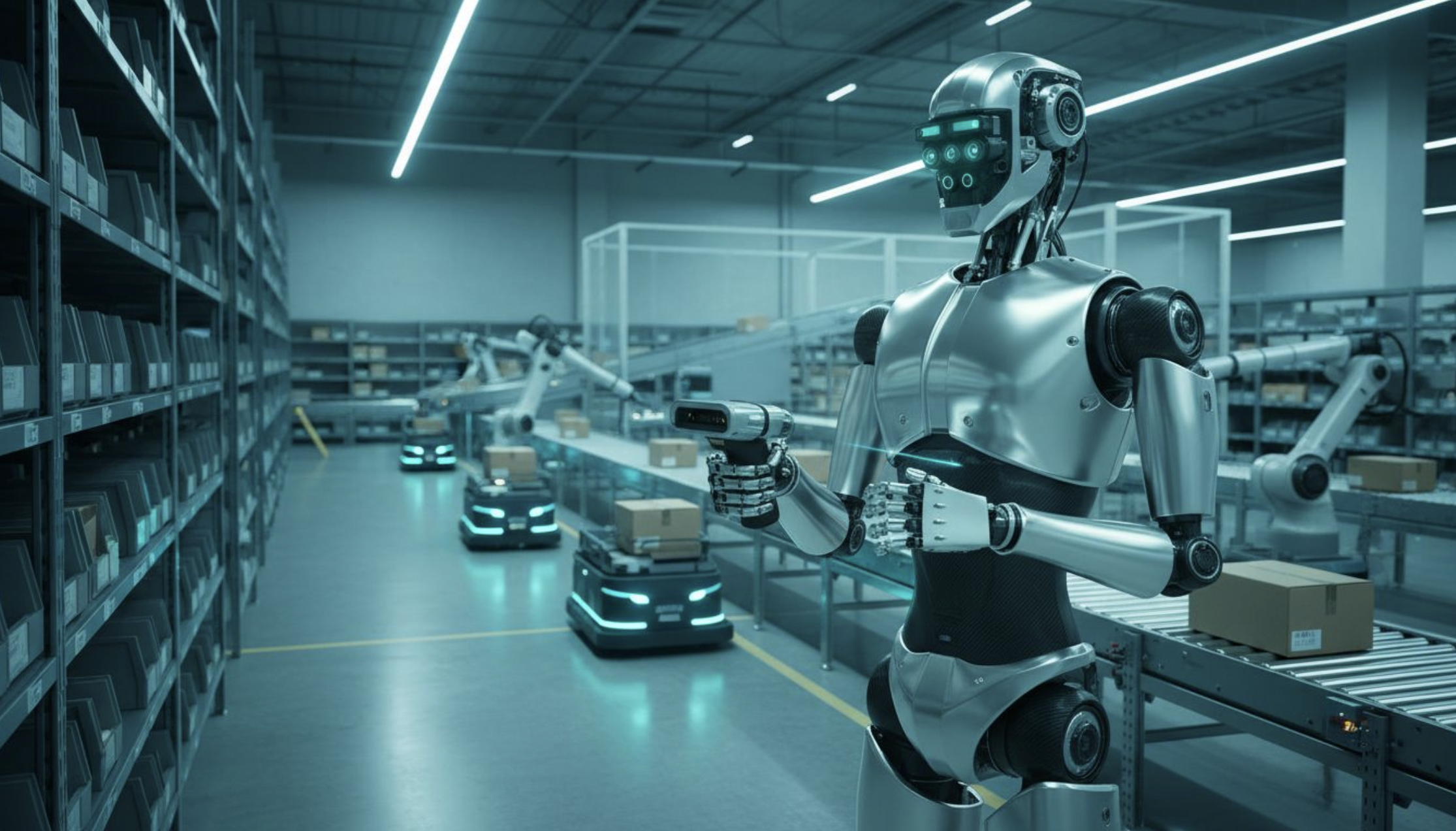
Logistics: Autonomous mobile robots coordinating warehouse operations. Route decisions, inventory management, exception handling. All without human oversight.
Healthcare: Robotic surgical assistance, pharmaceutical dispensing, patient monitoring. AI adapting to real-time conditions in environments where mistakes are irreversible.
Infrastructure: Bridge inspection, power line maintenance, construction automation. Robots operating in hazardous environments, making autonomous safety decisions.
The common architecture: probabilistic models making consequential decisions. The missing piece: a verification layer.
How OpenGradient Solves This
OpenGradient is building the verification infrastructure that autonomous systems need.
The core thesis: AI execution should be verifiable by default, not trusted by exception.
The Technical Stack
TEE-Verified Inference: All model execution runs through Trusted Execution Environments with hardware attestation. Every inference produces cryptographic proof of correct execution. What model ran, what inputs it processed, what outputs it generated.
zkML for Model Integrity: Zero-knowledge proofs verify model execution without revealing proprietary weights. You can prove inference correctness to any verifier without exposing intellectual property.
On-Chain Settlement: Inference proofs settle to blockchain. Immutable, tamper-proof records. When regulators ask "was this the certified model?", the answer is cryptographically provable.
Decentralized Node Registry: TEE nodes register on-chain before serving inference. No single point of trust. Network consensus validates execution environment integrity.
What This Enables for Robotics
- Provable Decision Chains: Trace any robot action back to verified inference. Cryptographic proof of what model made what decision with what data.
- Regulatory-Grade Audit Trails: Compliance teams get immutable records. Healthcare certifications, automotive safety audits, aerospace qualifications. All backed by on-chain proof.
- Real-Time Verification: Low-latency infrastructure. Verification doesn't mean slow. Production robotics demands sub-second response times.
- Multi-Model Orchestration: Modern robots run perception to planning to control pipelines. Verify the entire inference chain, not individual calls.
- Cross-Vendor Trust: Complex deployments involve multiple vendors. Verifiable AI creates a neutral trust layer. You don't trust vendors. You verify proofs.
The OpenGradient Stack
This isn't theoretical. It's live infrastructure:
- Model Hub: 1,500+ models hosted on-chain, ready for verifiable execution
- SDK: Python and TypeScript integration for production applications
- x402 Protocol: HTTP-based standard for payment-gated AI inference
- Multi-Provider Access: OpenAI, Anthropic, Google, xAI with the same verification guarantees
The numbers: 2M+ verifiable inferences processed. 500K+ zkML proofs and TEE attestations generated.
The Future of Trusted Autonomous Systems
We're at an inflection point. The capabilities of AI-powered robotics are advancing faster than our ability to trust them. The gap between what we're deploying and what we can verify is widening.
OpenGradient represents a fundamental architectural shift. Instead of "trust but verify," it's "verify then trust." Instead of auditing after incidents, it's cryptographic proof at execution time.
For anyone building the next generation of autonomous systems, the question isn't whether you need verifiable AI. The question is whether you're building on infrastructure that makes verification possible.
The autonomous agents are here. The verification layer is OpenGradient.
OpenGradient testnet is live. Explore models at hub.opengradient.ai or start building at docs.opengradient.ai.